


Electric vehicle owners often encounter challenges during roadside emergencies. Battery depletion is a frequent issue, particularly in cold weather, which can significantly impact battery performance and driving range. These situations call for immediate solutions to restore power and ensure safety. Mobile charging vehicles have become essential in such scenarios, offering a reliable and efficient way to provide on-the-spot emergency Charging, reducing downtime and inconvenience.
SGC mobible charging vehicles stands out as a trusted solution for quick and safe roadside power. Engineered with advanced technology, these vehicles ensure seamless operation during emergencies. In many scenarios, they deliver dependable performance exactly when it’s needed most.
Key Takeaways
- Mobile charging vehicles give instant power to electric cars. They remove the need to search for a station in emergencies.
- These vehicles are built for fast use, helping with roadside problems and saving time for EV drivers.
- Safety tools like overload guards and heat control keep them safe. This ensures users feel secure while charging.
- SGC Mobile Charging Vehicles work with many EV types. They are useful for both personal users and business fleets.
- Using mobile charging vehicles helps the environment. It lowers the need for fixed stations and supports green technology.
Understanding Mobile Charging Vehicles

What Are Mobile Charging Vehicles?
Mobile charging vehicles are innovative solutions designed to provide on-the-go power for electric vehicles (EVs). These vehicles combine a generator, charging station, and specialized equipment to deliver electricity directly to EVs in need. Unlike fixed charging stations, they offer unmatched flexibility by bringing power to the vehicle’s location. This makes them indispensable for emergency charging and road rescue scenarios, ensuring EV owners can continue their journeys without delay.
The global market for mobile EV chargers is growing rapidly. It is projected to reach USD 410.33 million by 2032, with a compound annual growth rate (CAGR) of 32.6%. This growth reflects the increasing demand for flexible and efficient charging solutions as EV adoption rises worldwide.
How Do Mobile Charging Vehicles Work?
Mobile charging vehicles operate through a seamless integration of advanced technology. Inside the vehicle, a generator produces electricity, which is then transferred to the charging station. The charging station, equipped with shock absorbers and noise-reducing materials, ensures stable and quiet operation. Heat generated during the process is efficiently managed through a ventilation system, maintaining optimal performance.
These vehicles are designed to work with various EV models, offering compatibility and versatility. Many units also support fast charging, significantly reducing the time required to recharge a vehicle. This makes them ideal for emergency situations or areas lacking traditional charging infrastructure.
Key Benefits of Mobile Charging Vehicles
Convenience and Accessibility
Mobile charging vehicles eliminate the need to locate a nearby charging station. They provide power wherever it is needed, whether on a remote highway or in an urban area. This convenience enhances the user experience and reduces range anxiety, a common concern among EV owners.
Versatility for Emergency Power Needs
These vehicles can quickly restore power during emergencies, such as power outages or vehicle breakdowns. Their ability to operate in diverse environments makes them a reliable choice for both individual users and fleet operators.
Eco-Friendly and Sustainable Options
Many mobile charging vehicles incorporate eco-friendly technologies, such as energy-efficient generators and sustainable materials. This aligns with the global push toward greener solutions, supporting the transition to a more sustainable future. Additionally, advancements in battery technology are making these vehicles even more efficient and compact.
Key Features to Consider for Mobile Charging Vehicles
Compatibility with Electric Vehicles and Devices
When selecting a mobile charging vehicle, compatibility with various electric vehicles (EVs) and devices is crucial. These vehicles must cater to diverse charging needs, ensuring seamless operation across different EV models. Below is a table showcasing the types of chargers typically integrated into mobile charging vehicles:
Charging Speed and Efficiency
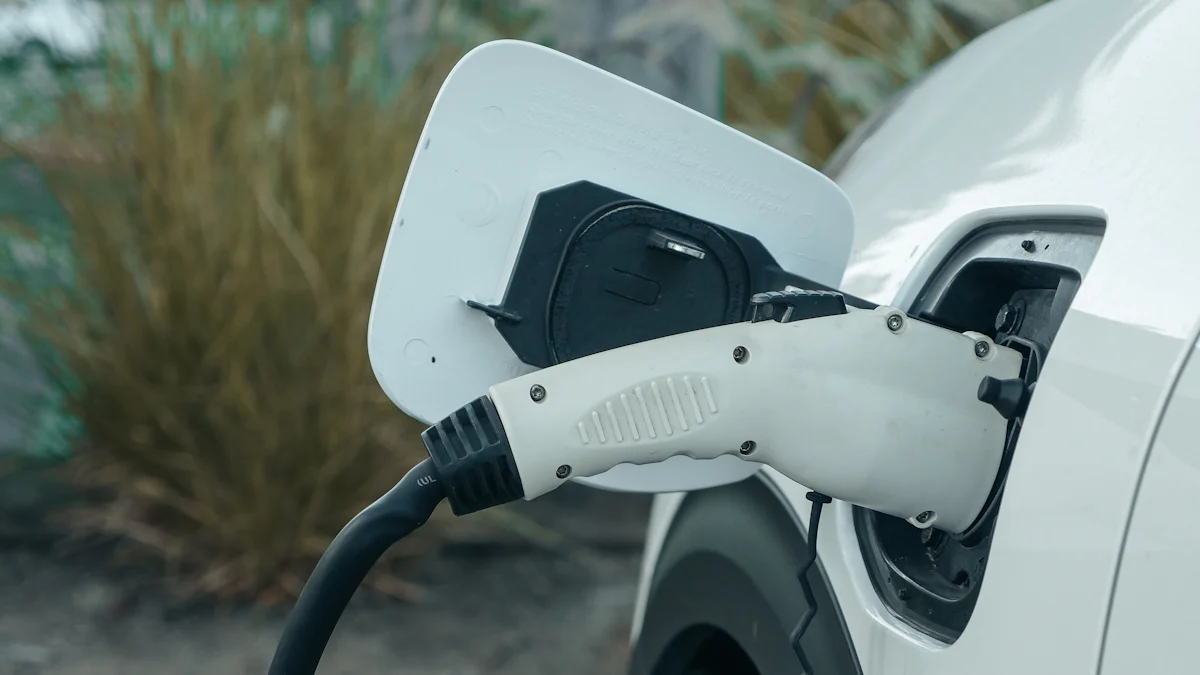
Charging speed and efficiency are vital for mobile charging vehicles, especially in emergency situations. These vehicles must deliver power quickly to minimize downtime. Industry standards classify chargers into three levels based on power output and charging speed:
| Charger Level | Typical Power Output | Estimated Charge Time (Light-Duty BEV) | Electric Range per Hour of Charging |
|---|---|---|---|
| Level 1 | 1 kW | 40 – 50 hours | 2 – 5 miles |
| Level 2 | 7 kW – 19 kW | 4 – 10 hours | 10 – 20 miles |
| DC Fast Charging | 50 – 350 kW | 20 minutes – 1 hour | 180 – 240 miles |
Portability and Ease of Deployment
Portability is a defining feature of mobile charging vehicles. These vehicles are designed for quick deployment. Compact designs and advanced engineering allow them to operate in remote or urban areas with ease. Additionally, features like built-in lighting systems enhance usability during nighttime operations. By reducing reliance on fixed infrastructure, mobile charging vehicles promote equitable access to EV charging, even in underserved regions.
Safety Features
When it comes to mobile charging vehicles, safety is non-negotiable. I always emphasize the importance of robust safety features and proper certifications. These elements ensure that the vehicle operates reliably and protects both users and equipment during charging.
Modern mobile charging vehicles incorporate advanced safety mechanisms. For instance, many models include overload protection to prevent damage caused by excessive current. Thermal management systems are another critical feature. They regulate heat levels during operation, reducing the risk of overheating. Additionally, short-circuit protection safeguards the vehicle and connected devices from electrical faults.
Durability and Weather Resistance
Durability is a cornerstone of any reliable mobile charging vehicle. I believe that a well-built vehicle should withstand the rigors of frequent use and challenging environments. High-quality materials and robust construction ensure long-term performance.
Weather resistance is equally important. Mobile charging vehicles often operate in diverse conditions, from scorching heat to heavy rain. Many models feature weatherproof exteriors that protect internal components from moisture and dust. Corrosion-resistant materials further enhance durability, especially in areas with high humidity or salt exposure.
They also include shock-absorbing systems to protect sensitive components during transit. For example, SGC Mobile Charging Vehicles use rubber layers and vibration dampers to shield the charging station from damage. These features maintain the vehicle’s functionality even on rough terrain.
Practical Applications of Mobile Charging Vehicles
Emergency Roadside Assistance
I’ve seen firsthand how mobile charging vehicles transform emergency roadside assistance. These vehicles provide a lifeline for electric vehicle drivers stranded with depleted batteries. They deliver power directly to the vehicle, eliminating the need to tow it to a charging station. This rapid response ensures drivers can resume their journeys without long delays.
Here are some common scenarios where mobile charging vehicles prove invaluable:
- Assisting drivers who run out of battery power in remote or urban areas.
- Offering a quick charging solution when traditional charging stations are unavailable or inoperable.
- Providing enough range to get drivers back on the road swiftly.
Cost-Effective Alternative to Fixed Infrastructure
Mobile charging vehicles also serve as a cost-effective alternative to fixed charging stations. Installing permanent infrastructure can be expensive and time-consuming, especially in areas with low EV adoption. I’ve found that mobile solutions bridge this gap effectively.
These vehicles eliminate the need for extensive construction and maintenance costs. They can be deployed on-demand, reducing the financial burden on businesses and municipalities. For temporary events or seasonal locations, mobile charging vehicles provide a flexible and scalable solution. This adaptability ensures that EV owners always have access to charging, even in underserved regions.
Supporting Fleet Operations and Logistics
Fleet managers face unique challenges when transitioning to electric vehicles. Mobile charging vehicles offer a practical solution to these challenges. They provide flexible and cost-effective charging options, ensuring fleet readiness at all times.
From my perspective, the benefits are clear:
- Charging services can be scheduled during off-peak hours, reducing operational costs.
- Multiple vehicles can be charged simultaneously at convenient locations, minimizing downtime.
- Charging can be brought directly to remote sites or temporary logistics hubs, enhancing operational flexibility.
By addressing infrastructure limitations, mobile charging vehicles ensure peace of mind for fleet operators. They enable seamless operations, even in areas where fixed charging stations are unavailable.
Enhancing Customer Experience for EV Owners
I’ve observed that mobile charging vehicles significantly enhance the experience of electric vehicle (EV) owners. These vehicles address common concerns like range anxiety and limited access to charging infrastructure. By offering flexible and convenient solutions, they ensure EV owners feel confident and supported during their journeys.
One of the standout features of mobile charging vehicles is their ability to provide on-the-go charging. This flexibility allows EV owners to charge their vehicles from virtually any location, whether on a remote highway or in an urban area. I’ve seen how this capability alleviates the stress of running out of battery power, especially in areas where fixed charging stations are scarce. During emergencies or power outages, these vehicles act as a lifeline, delivering essential power when it’s needed most.

Mobile charging vehicles have revolutionized emergency power solutions by offering on-demand charging directly at the roadside. They ensure drivers never face the stress of being stranded due to a low battery, especially during long road trips. These vehicles provide reassurance that charging options are always available, addressing the common fear of running out of power.